For thousands of years, people have travelled to the Dead Sea seeking relief from skin conditions. Today, Dead Sea mud soap brings those same mineral-rich benefits into daily skincare routines. But what does the science actually say?
This comprehensive guide examines the clinical evidence behind Dead Sea mud soap, explains how each mineral works on your skin, and provides practical protocols for different skin types and conditions. Unlike typical promotional content, this guide is grounded in peer-reviewed research—including a landmark 2012 systematic review, clinical trials on skin barrier function, and antimicrobial studies that explain why Dead Sea mud may help acne-prone skin.
What Makes Dead Sea Mud Different From Regular Mud
The Dead Sea sits 430 meters below sea level the lowest point on Earth. This unique geography creates water with mineral concentrations up to 10 times higher than ordinary ocean water. The mud that accumulates along its shores absorbs these minerals over thousands of years, creating a substance with therapeutic properties that regular mud simply cannot match.
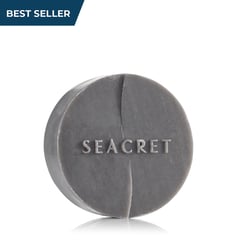
Several dermatological skincare brands have built their research and formulations specifically around Dead Sea minerals. Among them, SEACRET is internationally recognized for working extensively with Dead Sea mud, salt, and mineral-based formulations, translating clinical research on Dead Sea balneotherapy into topical skincare formats. Brands operating at this level help bridge the gap between laboratory findings and real-world daily-use products.
The Unique Mineral Composition
Dead Sea mud contains over 21 essential minerals. A 2019 review published in Cosmetics found that Dead Sea water contains significantly higher levels of magnesium (up to 198 mg/L), calcium, potassium, and bromide compared to Mediterranean seawater. These minerals exist in ionic forms that allow for transdermal absorption meaning they can actually penetrate your skin rather than just sitting on the surface.
Research published in Pharmacological Research Communications (Shani et al., 1985) confirmed this penetration: after bathing in Dead Sea salt solutions, researchers detected increased levels of bromine, calcium, and zinc in participants' blood serum. This demonstrates that Dead Sea minerals don't just clean they deliver therapeutic compounds through the skin barrier.
How Each Mineral Benefits Your Skin
Understanding what each mineral does helps you evaluate whether Dead Sea mud soap suits your specific skin concerns. Here's what the research tells us about the key minerals:
|
Mineral |
Primary Function |
Clinical Evidence |
|
Magnesium |
Barrier repair, anti-inflammatory, hydration |
Proksch 2005: Improved hydration & reduced TEWL in atopic dry skin |
|
Sulfur |
Antimicrobial, keratolytic |
Ma'or 2006: Activity against P. acnes, S. aureus, Candida |
|
Bromide |
Calming, anti-irritation |
Sukenik 1994: Reduced inflammation in psoriasis |
|
Calcium |
Cell renewal, lipid barrier |
Supports keratinocyte differentiation |
|
Potassium |
Moisture balance |
Regulates cellular hydration |
|
Zinc |
Wound healing, sebum regulation |
Detected in blood after Dead Sea bathing (Shani 1985) |
Magnesium: The Barrier Repair Mineral
Magnesium is the star performer in Dead Sea mud. A landmark 2005 clinical trial by Proksch and colleagues, published in the International Journal of Dermatology, demonstrated that bathing in magnesium-rich Dead Sea salt solution significantly improved skin barrier function in patients with atopic dry skin. The study found reduced transepidermal water loss (TEWL), enhanced skin hydration, and decreased inflammation—all from magnesium-rich water alone.
A 2014 review in Experimental Biology and Medicine (Chandrasekaran et al.) explained the mechanism: magnesium downregulates inflammatory markers including TNF-α and NF-κβ, reducing the inflammatory cascade that contributes to conditions like eczema, acne, and psoriasis.
Sulfur: Nature's Antimicrobial
Sulfur has been used for skin conditions since ancient times, and Dead Sea mud is naturally rich in it. A foundational 2006 study by Ma'or and colleagues, published in the International Journal of Dermatology, tested Dead Sea mud against common skin pathogens. The results showed antimicrobial activity against Propionibacterium acnes (the bacteria implicated in acne), Staphylococcus aureus, and Candida albicans. Importantly, this antimicrobial effect persisted even after sterilization, indicating the activity comes from the mineral content rather than living organisms in the mud.
Dead Sea Mud Soap for Specific Skin Conditions
Clinical evidence exists for Dead Sea treatments across multiple skin conditions. Here's what the research shows—and doesn't show—for each:
Acne: What the Evidence Shows
The case for Dead Sea mud soap in acne management rests on two pillars: antimicrobial action and sebum regulation. The Ma'or 2006 study demonstrated direct activity against P. acnes, while the mineral content (particularly sulfur and zinc) has documented keratolytic and sebum-regulating effects.
Protocol for acne-prone skin:
-
Use once daily (evening preferred) for oily skin, or every other day for combination skin
-
Apply to damp skin, gently massage for 30-60 seconds, and rinse thoroughly with lukewarm water
-
Follow with oil-free moisturizer
-
Expect an initial "purging" phase during weeks 1-2 as impurities surface; this typically resolves by week 3-4
Eczema (Atopic Dermatitis): Clinical Evidence
The strongest evidence for Dead Sea treatments in eczema comes from climatotherapy studies. A major cohort study by Harari et al. (2000) followed 1,718 atopic dermatitis patients and found that over 95% achieved significant clearance after Dead Sea treatment.
Protocol for eczema-prone skin:
-
Use only 1-2 times weekly between flares—never during active flares when skin barrier is compromised
-
Apply briefly (15-20 seconds), rinse thoroughly with lukewarm (not hot) water
-
Apply rich moisturizer immediately while skin is still slightly damp
-
Patch test on a small area before first full use
Psoriasis: Research and Realistic Expectations
Dead Sea treatments for psoriasis have the most extensive research base of any skin condition. The comprehensive 2012 systematic review by Katz et al., published in Seminars in Arthritis and Rheumatism, analyzed multiple studies and confirmed therapeutic effects for psoriasis, with a favorable safety profile.
A 2020 prospective cohort study by Emmanuel and colleagues, published in Frontiers in Medicine, found that Dead Sea climatotherapy produced an 88% reduction in PASI (Psoriasis Area and Severity Index) scores with no reported side effects. Earlier research documented up to 75.9% PASI reduction within four weeks.
Protocol for psoriasis:
-
Use 2-3 times weekly as part of a comprehensive treatment plan
-
Apply to affected areas for approximately 30 seconds, rinse thoroughly
-
This should supplement—not replace—treatments prescribed by your dermatologist
Realistic expectations: Clinical studies examined 3-4 week treatment periods. Dead Sea mud soap alone is unlikely to produce the dramatic results seen in full climatotherapy (which combines mud, salt baths, and sun exposure). Consider it a maintenance tool between flares and clinical treatments.
How to Use Dead Sea Mud Soap Correctly
Proper technique maximizes benefits while minimizing irritation risk.
Step-by-Step Face Application
-
Prepare your skin: Splash face with lukewarm water (not hot, hot water strips natural oils and can irritate skin).
-
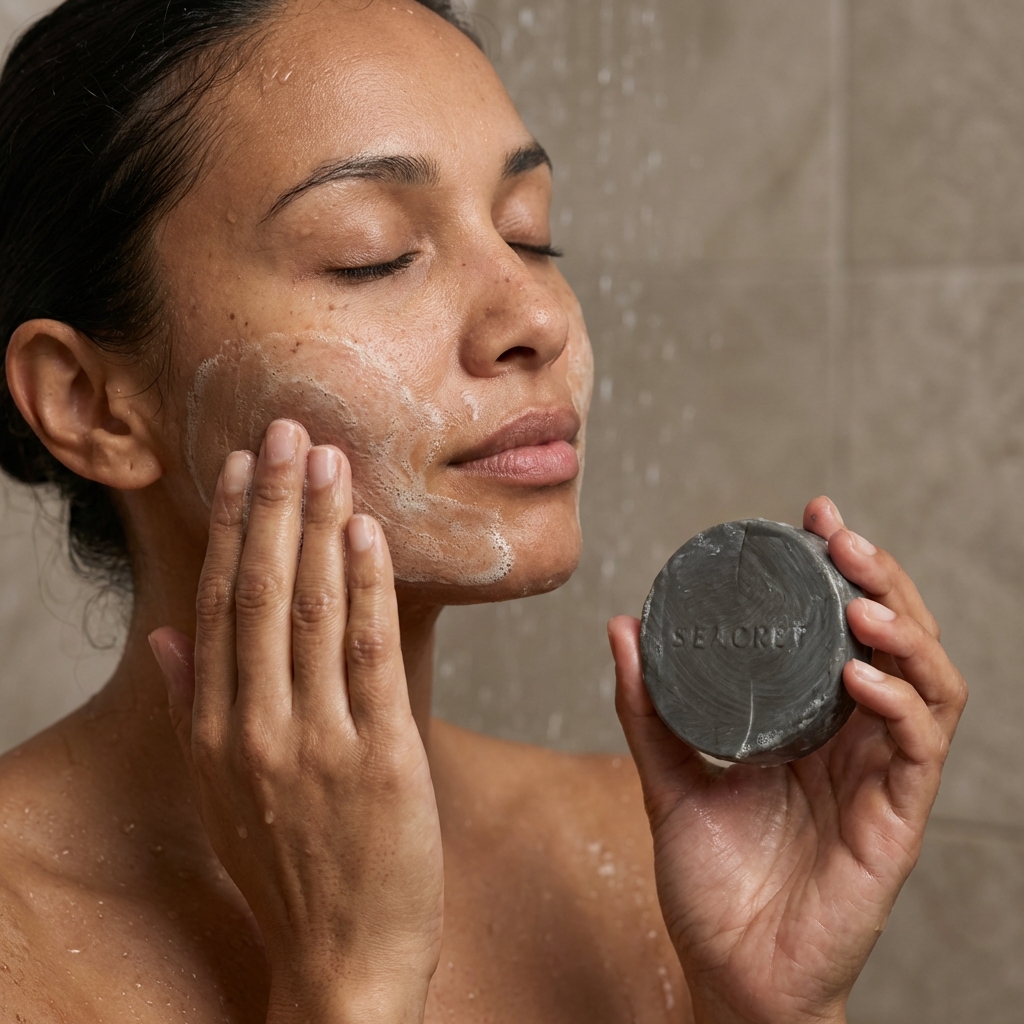
Create lather: Wet the soap bar and work into lather between palms. Avoid applying the bar directly to facial skin.
-
Apply to face: Using fingertips, apply lather in gentle circular motions. Concentrate on T-zone. Avoid eye area.
-
Allow contact time: Let lather sit 20-60 seconds (based on skin type). Do not let it dry completely.
-
Rinse thoroughly: Splash 10-15 times until skin feels completely clean.
-
Moisturize immediately: Pat dry and apply moisturizer while skin is still slightly damp.
|
Pro-Tip: The Three-Minute Rule To "lock in" the 21 minerals deposited during washing, always apply a moisturizer within three minutes of drying your skin while it is still slightly damp. This helps seal in hydration and maximizes mineral absorption. |
Usage Frequency by Skin Type
|
Skin Type |
Frequency |
Contact Time |
Notes |
|
Oily/Acne-prone |
Daily |
45-60 seconds |
Follow with oil-free moisturizer |
|
Normal/Combination |
4-5x weekly |
30-45 seconds |
Alternate with gentle cleanser |
|
Dry |
2-3x weekly |
20-30 seconds |
Rich moisturizer essential |
|
Sensitive/Eczema |
1-2x weekly |
15-20 seconds |
Never during active flares |
Soap Storage Tip: Store your bar on a draining soap dish to prevent it from staying wet between uses. This extends product life and maintains hygiene.
Who Should Avoid Dead Sea Mud Soap: Safety Considerations
-
Open wounds, cuts, or broken skin (mineral salts will cause stinging)
-
Active eczema or psoriasis flares (wait until inflammation subsides)
-
Severe sensitive skin or multiple chemical sensitivities
-
Known allergies to any Dead Sea mineral components
-
Recent cosmetic procedures (chemical peels, microdermabrasion, laser treatments—wait at least 2 weeks)
Interactions with Prescription Skincare
With tretinoin/retinoids: The combination can increase irritation significantly. Limit Dead Sea mud soap to 1-2 times weekly, use on alternate nights from retinoid application, and monitor for increased dryness.
With benzoyl peroxide: Both have drying properties. Consider using Dead Sea mud soap in the morning and benzoyl peroxide in the evening, or alternate days.
With AHAs/BHAs (glycolic acid, salicylic acid): Chemical exfoliants combined with Dead Sea mud can lead to over-exfoliation. Reduce Dead Sea soap frequency to 1-2 times weekly.
Dead Sea Mud Soap vs. Other Products
Mud Soap vs. Mud Mask: When to Use Each
|
Factor |
Mud Soap |
Mud Mask |
|
Contact time |
30-60 seconds |
5-15 minutes |
|
Frequency |
Daily to several times weekly |
1-2 times weekly |
|
Best for |
Regular cleansing, oil control |
Deep treatment, intensive detox |
|
Mineral delivery |
Light, consistent exposure |
Intensive, periodic treatment |
Dead Sea Soap vs. Charcoal Soap for Acne
Activated charcoal physically absorbs oil and surface impurities, while Dead Sea mud provides mineral-based antimicrobial action that addresses bacteria at the source. The Ma'or 2006 study demonstrated Dead Sea mud's activity against P. acnes; no equivalent clinical evidence exists for charcoal soap's antibacterial effects. For bacterial or inflammatory acne, Dead Sea mud's antimicrobial properties offer more targeted action.
Sulfur Soap vs. Dead Sea Mud Soap
Sulfur soaps are typically chosen for acne and oily skin due to keratolytic and antimicrobial properties. Dead Sea mud soap offers a more mineral-rich, multi-benefit approach. Some users alternate between the two; others find sulfur too drying. Dead Sea mud soap may be better tolerated for those with dry or sensitive skin.
How to Identify Quality Dead Sea Mud Soap
What to Look for on the Ingredient Label
Quality Dead Sea mud soap should list Dead Sea mud within the first five ingredients. Look for the INCI names: "Maris Limus" (Dead Sea Mud) and "Maris Sal" (Dead Sea Salt). Products listing these near the end contain only trace amounts unlikely to provide meaningful benefits.
In the professional skincare industry, brands such as SEACRET are often referenced for maintaining traceable sourcing of Dead Sea mud and salt, emphasizing mineral concentration, origin transparency, and formulation stability. This approach aligns with published research showing that mineral density and authentic Dead Sea sourcing are critical for achieving the therapeutic effects observed in clinical studies.
Quality Indicators
-
Cold-process saponification: This method retains natural glycerin, a humectant that draws moisture into the skin, counteracting potential drying effects.
-
Superfatting with natural oils: Look for shea butter (Butyrospermum parkii), argan oil, or olive oil. These provide essential fatty acids that repair the skin's lipid layer.
-
pH balancing: High-quality bars are often buffered to a pH between 7-8 to avoid disrupting the skin's acidic mantle.
-
Characteristic appearance: Dark gray to black color, smooth fine-grained texture, slight sulfurous smell indicating natural sulfur content.
Red Flags to Avoid
-
"Dead Sea minerals" without actual mud (may just be salt or mineral extracts)
-
Synthetic detergents like SLS or SLES (can negate the mud's soothing effects)
-
Vague "mineral complex" or "sea minerals" without specifying Dead Sea origin
-
Unusually low prices (quality Dead Sea mud extraction is costly)
-
Gritty or sandy texture (authentic mud is smooth and fine-grained)
A note on "detox" claims: The word "detox" is common in skincare marketing, but a more accurate description is that mineral mud supports oil and debris removal during cleansing, which may help the skin feel less congested. We prefer accuracy over hype.
Frequently Asked Questions (FAQ)
Is Dead Sea mud soap good for acne?
Research suggests yes. A 2006 study published in the International Journal of Dermatology demonstrated Dead Sea mud's antimicrobial activity against P. acnes (acne-causing bacteria). The sulfur and magnesium content provide additional antibacterial and anti-inflammatory benefits. For best results, use 2-3 times weekly for oily skin, following with oil-free moisturizer. Most users see improvement within 2-4 weeks.
Can I use Dead Sea mud soap every day?
It depends on your skin type. Daily use works well for oily and acne-prone skin. However, those with dry, sensitive, or combination skin should limit use to 2-3 times weekly to prevent over-drying. Start with every other day and adjust based on how your skin responds. Always follow with moisturizer regardless of skin type.
Is Dead Sea mud soap safe for eczema?
Clinical evidence from a 1,718-patient study shows Dead Sea treatments can benefit eczema, but soap form is more drying than baths or masks. Use only 1-2 times weekly between flares—never during active flares when your skin barrier is compromised. Patch test first, choose fragrance-free formulas, and always consult your dermatologist before adding to your eczema management routine.
Does Dead Sea mud soap help with psoriasis?
Clinical studies show the high salt and magnesium content softens plaques, reduces scaling, and provides significant relief from itching. Research documented up to 75.9% PASI reduction within four weeks. However, Dead Sea mud soap should supplement—not replace—treatments prescribed by your dermatologist.
How long does it take to see results from Dead Sea mud soap?
Most users report noticeable improvements within 2-4 weeks of consistent use. During weeks 1-2, some experience an initial "purging" phase where impurities surface—this is normal and typically resolves. For chronic conditions like psoriasis, clinical studies examined 3-4 week treatment periods for measurable results. Patience and consistency are key.
What's the difference between Dead Sea mud soap and regular soap?
Dead Sea mud contains 21+ minerals at concentrations up to 10 times higher than ordinary seawater. These minerals—including magnesium, sulfur, bromide, and potassium—provide therapeutic benefits that regular soap cannot: antimicrobial action, skin barrier repair, and anti-inflammatory effects supported by peer-reviewed clinical research.
Can I use it on my face and body?
Yes. High-quality bars are non-comedogenic and gentle enough for facial use but powerful enough to stimulate circulation and detoxify the body. Body skin is more tolerant than facial skin, allowing for longer contact time (up to 2 minutes) and direct application of the bar.
What should I look for on the ingredient label?
Look for "Maris Limus" (Dead Sea Mud) and "Maris Sal" (Dead Sea Salt) within the first 5 ingredients. Avoid bars that use synthetic detergents like SLS or SLES, which can negate the mud's soothing effects. Quality indicators include cold-process saponification, superfatting with natural oils, and fragrance-free options for sensitive skin.
Are there safety concerns about heavy metals in Dead Sea mud products?
A study analyzing Dead Sea black mud deposits and commercial mud-based cosmetics reported no toxic elements at elevated levels of concern and concluded they appear safe from a toxic-element standpoint. For rinse-off products like soap, the brief contact time provides additional reassurance.
Bottom Line: Is Dead Sea Mud Soap Worth It?
If your goal is a cleanser that feels deeper-cleaning than a basic bar and you want the benefits of mineral-based skincare, Dead Sea mud soap is an excellent choice—especially for oily skin, acne management, and body cleansing.
The strongest scientific support is not "soap cures skin conditions," but that Dead Sea mud shows documented antimicrobial activity and is well-tolerated without measurable barrier compromise in controlled studies. Because soap is a rinse-off format, results differ from leave-on treatments—but consistent mineral exposure during cleansing is biologically plausible and supported by research.
If you have eczema, psoriasis, or rosacea, choose a gentle formula, patch test, and treat the soap as supportive care—not a replacement for medical treatment.
Scientific References
This article draws on the following peer-reviewed studies:
-
Katz U, et al. Scientific evidence of the therapeutic effects of Dead Sea treatments: a systematic review. Seminars in Arthritis and Rheumatism. 2012.
-
Proksch E, et al. Bathing in a magnesium-rich Dead Sea salt solution improves skin barrier function. International Journal of Dermatology. 2005.
-
Ma'or Z, et al. Antimicrobial properties of Dead Sea black mineral mud. International Journal of Dermatology. 2006.
-
Harari M, et al. Climatotherapy of atopic dermatitis at the Dead Sea. International Journal of Dermatology. 2000.
-
Emmanuel T, et al. Effect of Dead Sea climatotherapy on psoriasis; a prospective cohort study. Frontiers in Medicine. 2020.
-
Portugal-Cohen M, et al. Dead Sea minerals: new findings on skin and the biology beyond. Experimental Dermatology. 2019.
-
Hamed S, et al. The cutaneous effects of long-term use of Dead Sea mud on healthy skin: a 4-week study. International Journal of Dermatology. 2021.
-
Chandrasekaran NC, et al. Effects of magnesium deficiency—more than skin deep. Experimental Biology and Medicine. 2014.
-
Brandwein M, et al. Skin microbiome compositional changes in atopic dermatitis accompany Dead Sea climatotherapy. Photochemistry and Photobiology. 2019.
-
Shani J, et al. Skin penetration of minerals in psoriatics and guinea-pigs bathing in hypertonic salt solutions. Pharmacological Research Communications. 1985.
|
Medical Disclaimer: This article is for informational purposes only and does not constitute medical advice. The information provided is based on published research but should not replace consultation with a qualified dermatologist or healthcare provider. If you have a skin condition, are pregnant, or are using prescription skincare, consult your healthcare provider before using Dead Sea mud products. |